Posted on August 15, 2008 - by admin
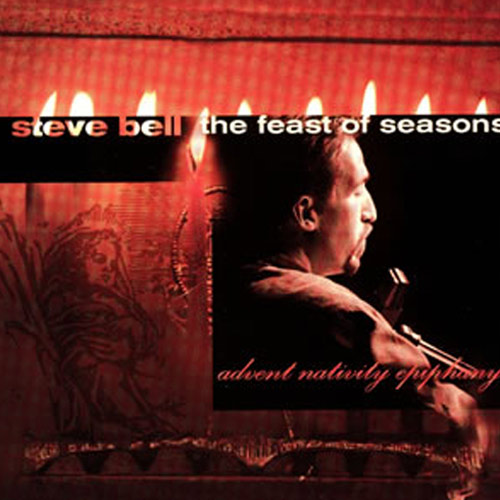
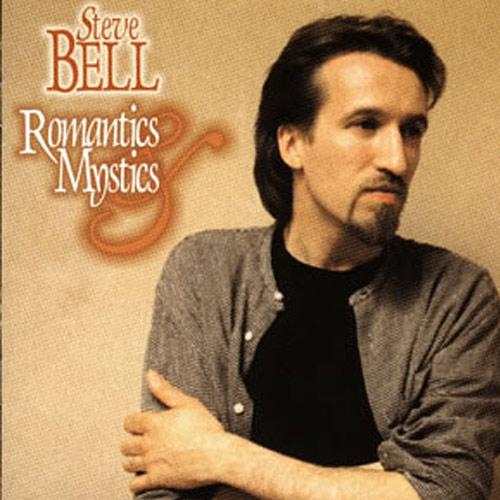
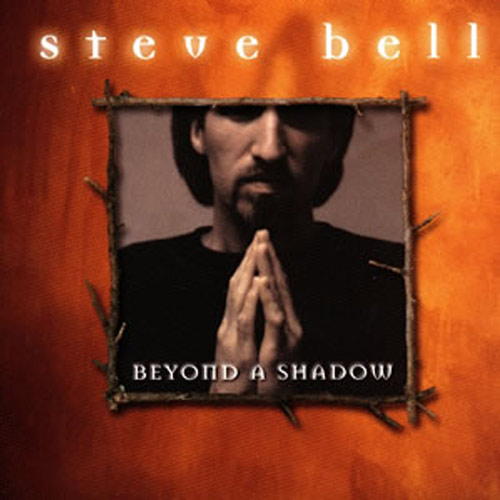
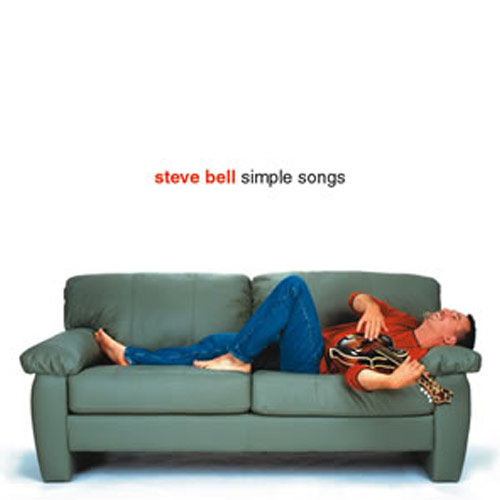
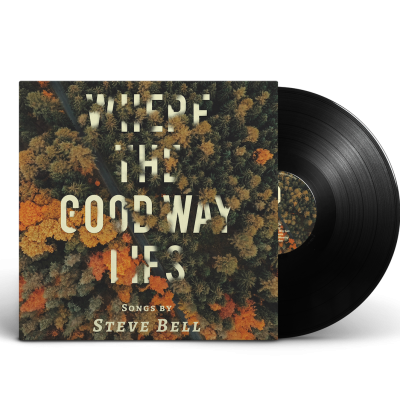
Steve Bell
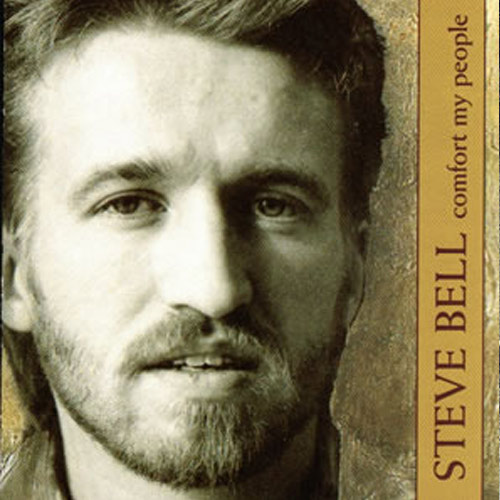
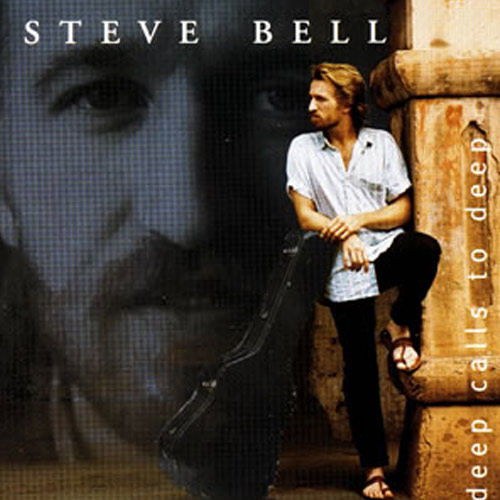
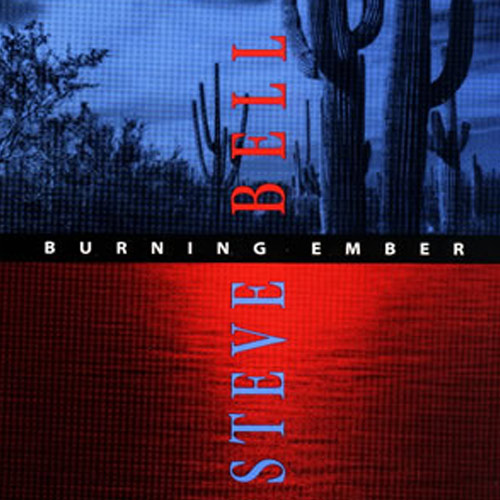
- To listen to song samples and buy Steve’s albums, click here.
- To see Steve’s updated artist site, go to steve-bell.com
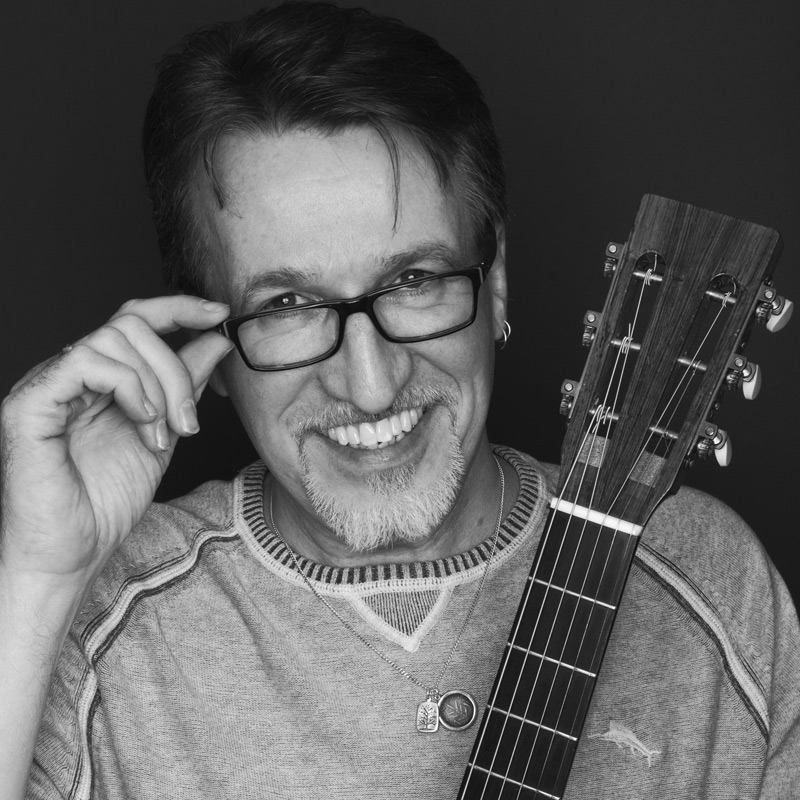
I am a Canadian singer/songwriter heavily influenced by the likes of Bruce Cockburn, Leo Kotke, James Taylor, Joni Mitchel, Allison Kraus and John Michael Talbot. I am married 25 years to Nanci and together wethree children, Sarah (married to Steve G.), Jesse and Micah. We also have a wonderful foster daughter Kendara (now grown up and moved on).
I wasn’t sure what all to post here - it’s hard for me to know what would be interesting to others. I thought I’d post an interview I did for Jacob Moon’s website. Jacob interviews someone new every month and this appeared as his June / 07 post.
Jacob: You’ve been writing songs and performing for years, and you’ve sold more records than any other Canadian Christian artist I’m sure. And yet the thing I hear over and over again about Steve Bell is how much people connect with you as a guy, through your stories. How important has that been for you through the various stages of your career? Have you always tried to highlight that part of yourself?
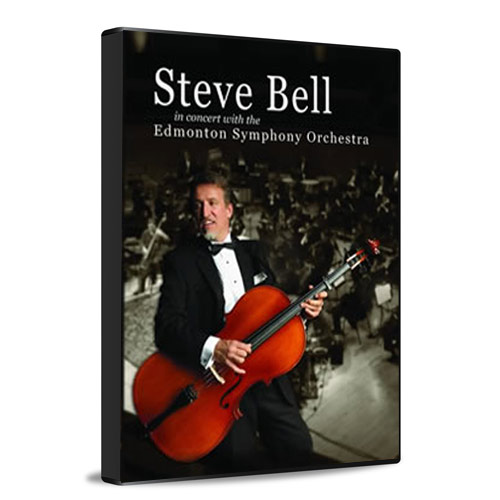
Steve: For the first 10 years of my career I played in clubs, always in bands where someone else was the front guy. I was very shy and hardly ever spoke a word on stage unless it was rehearsed. When I left playing the clubs I had no interest in pursuing a solo career what-so-ever, mostly because I didn’t have the confidence I could carry a stage by myself. But a local pastor started hounding me to come play for his congregation. I kept putting him off with the excuse that I didn’t perform solo and that I had nothing to say anyway. The guy was relentless and finally said, ‘look, just come play three songs, you don’t have to say a, word. So I went, about as nervous as I’ve ever been. When I got on stage, I walked up to the mic and suddenly, almost involuntarily, my mouth opened and I started to tell a story. I played the song and told another story followed by another song. This went on for far longer than the time that was alloted to me. Finally, as if coming out of a fog, I realized I’d been up there for quite awhile. I walked off stage figuring the pastor would be furious for taking so much time but he just smiled at me and said, “I knew that would happen.”
Storytelling has been a feature of my performances since. No-one is more surprised by this than I.
J: Why have you travelled as much as you have, and what has that done for your life?
S: I’ve certainly put on my fair share of miles; partly because one must if one wants to pay the bills off the spoils of their art. CDs are incredibly expensive to produce - if you want to do a good job. And so it takes a lot of concerts to generate the kind of money required to support this work. But travel also broadens a person’s perspective not only of culture and history, but of God. Travel exposes parochial platitudes to be the impostors they are. It forces one to shed presumptions made possible by honest ignorance, and opens the imagination. I’ve had the opportunity to travel to India, Israel/Palestine, Thailand, Philippines, Poland, Ireland, Bulgaria, Ethiopia… and I’m off to Turkey in a couple of weeks. Travel makes a small, predictable and domesticated God impossible to believe in. And that’s good, because such a God doesn’t exist anyway.
J: Have you ever really tried to make it big in America? What would it take to be successful down there, do you think?
S: Yeah, I’m embarrassed to say that I have tried. We all have our vanities I suppose. Years ago, on the cuff of signing a recording deal with a record label I said to a friend that I didn’t know if I had the courage to go “big.” He responded that he doubted I had the courage to stay small. I’ve thought about that a lot since. The music industry is largely vanity-driven and much harm has come as a result. It seems to me that the great saints are often the humble ones who pursue obscurity. And obscurity is a frightening thing to us egomaniacs.
I did eventually sign with an American company and spent a couple of years pursuing those possibilities. In the end I wasn’t very successful, but I brushed close enough to the “bigger is better” ethos to know I don’t like it. The cost is high. Oddly enough, most of us pursue “success” as a mis-directed pursuit of freedom (artistically and financially.) My experience is that few find freedom in success as defined by market-driven-industry fundamentalists. Some do perhaps, but few.
J: What is your favorite part of touring? Least favorite?
S: I love being on the stage (most nights) simply because I think I was created to be there. There’s a great quote from Eric Liddle - the Olympic runner (Chariots of Fire), he claimed that when he ran, he could feel the pleasure of God. When I’m playing my music before an audience, and I can sense the distance between selves diminishing, I too feel that pleasure.
I also love the down time. The very best time for me is early morning in a hotel restaurant where nobody knows me. I love to read - especially in the hubbub of life; auguring into a great book while the world bustles around me. I love that.
The worst thing is arriving exhausted at a hotel late at night and having to change rooms several times because there are revelers in the next room. And I hate those seasons when I’m on the road more than usual and start to feel a disconnect to home. That’s an awful feeling.
J: What made you decide to become equal partners with Dave Zeglinski all those years ago? How have you made the partnership work?
S: In the end it was just common sense. I had been running the business of my career by myself for a couple of years but I’m a pathetic business man. I really needed help and Dave came along with business intuition and his own commercial recording studio. Dave was willing to risk all he had accomplished to work with me, and that is more, by far, than what managers usually do. Dave is not my manager really, he doesn’t work for me - we work together and are equally vulnerable to the success or failure of this work. It’s a very different relationship than most artist/ manager relationships. Most managers work for 20 percent of gross. Dave is equally invested and shares half of what is left over at the end of the day (which should be called gross, but for some reason is called net.) In the end, he’d have made more money the other way around, but chose to throw his lot in with me. Dave is also an unusually gifted sound/recording engineer - very musical and intuitive. I’m uniquely blessed to have someone of his caliber and skill set be so dedicated to my work.
I can’t say I’ve done much deliberately to make the partnership work - it just works. We have a healthy respect for each other and I don’t know anyone I’m more at ease with. We have our disagreements and frustrations for sure, but not very many.
J: You’ve been writing again, after a long period of not writing. How does that feel?
S: A few weeks ago I penned the first song I’ve written in over four years. I’m not sure that qualifies as writing again. But it is a new song and I’ll take what I can get. It feels wonderful. I would say the most rewarding aspect of my work is songwriting. I think songwriting must be kin to giving birth (perhaps as painful). There’s something absolutely awesome about giving birth to something that has a life independent of you. It’s from you, but it is not you. And so you stand back in awe and let it grow into what-ever it is meant to be. Ultimately, as in all begetting, there is strange joy/hope in the possibility of your offspring having a life and meaning that extends beyond your own.
J: I have played for some audiences in Canada, where it seems like they don’t really listen to music all of that much. Working hard, putting food on the table, and family are their chief concerns, and they don’t really have time or inclination to hear what the artist is saying. You must have come across that from time to time, as your audiences have aged with you, and moved on from that ‘adolescent’ fascination with music. Do you think that it’s important for people to engage what the artist is saying? What is our role as artists, and how do we take that on in the face of cultural indifference or complacency?
S: That’s an interesting question. I hardly listen to music anymore myself. It seems like an indulgence doesn’t it? -especially in the face of so many pressing needs. I think listening to music, I mean really listening, starts to take on the quality of a spiritual discipline after awhile. It is something that requires sustained attention and investment. Perhaps one of the problems is that of late, music itself has been increasingly commodified and packaged as entertainment rather than a carrier of meaning that words alone are incompetent to deliver. Our culture has to some degree abandoned meaning and replaced it with distraction. And in the end, music as distraction often bores me, even annoys me. I’m not suggesting my my work is a proper antidote, but the whole question of meaning/distraction is a good one. Perhaps songwriters and musicians could be persuaded to take their art more seriously. And listeners could be persuaded to take their role more seriously. And perhaps the combination would produce a good we don’t know we’re missing.
One other thing I want to say is that I hope the narcissistic trend in art/music of the last few decades is wearing thin. I’m not so sure that art as self expression is all that helpful. Art is uniquely endowed with the capacity to encounter the transcendent - perhaps it is the very thin veil between heaven and earth. It seems almost diabolical that we so celebrate the artist celebrating his or her own self when grander things are possible.
J: How do you think the music business as you know it will change in the next 10 years?
S: The internet has changed everything. Reliance on major record labels, retail stores and radio has lessened so dramatically that it’s hard to imagine their absolute importance only a few years ago. These days, young artists can put out their own CDs and successfully market them to a core fan base from their home office. I think in the future we’ll see fewer superstars and more regional (niche) artists who can sustain modest but successful careers without the homogenizing trappings of big industry. I think this will generate more interesting, thoughtful music.
J: Why do you show interest in new artists (like me…thank you), and what do you get out of it? (besides our firstborn…you’re welcome)
S: Are you and Ali expecting? Congratulations - but you can keep the kid.
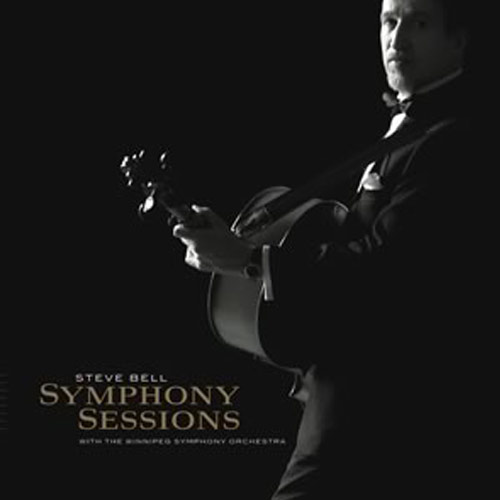
I’ve had my share of successes - and to some degree it is a result of the hard work we do, but I don’t think folks realize how much others have invested in me. My first album was completely funded by Fr. Bob MacDougal. My second was largely the result of a community of folks who lent / gave me money. The Living Room Series of CDs was made possible through the generosity of the DeFehr foundation here in Winnipeg. Then there is David Jennings, a lawyer in Vancouver who set up Incarnation Ministries as a vehicle for me and other artists to receive tax deductible donations. He himself has been a contributor as well as hundreds of other individuals who believe in what I do. David and Liesa Guenther made it possible for us to purchase mobile recording gear so we could record live concerts and recently, the Winnipeg Symphony. I could go on for a long time here - the point being that my ministry is a community endeavor. I could not, and do not, do this on my own. The result is that now I have a fairly stable infrastructure that I can share with other artists, and it is my joy and, I believe, my duty to do so. I do it to honour the investment of others, and I do it to extend that investment as far as I can. In the end – it is an investment in the Kingdom of God, and I could do worse things with the resources at my disposal.
And I get great satisfaction out of being a part of your work (for example). I am in awe of your talent and if by chance your career takes off into the stratosphere, which it should, I would be proud to be able to say that I was a small part of it. I think at the end of our days, it will be our investment in others that will bring the greatest contentment and joy.
J: We hung out last year around this time in Whistler BC, to do a little artist retreat with David Jennings and his theologian friends. We laughed, we prayed, we wrote songs, we cried–all in community as artists–and we learned a great deal about the Trinity and the Incarnation. What has stayed with you from that week?
S: That was a wonderful few days. The camaraderie was fantastic. Sitting around every evening listening to a dozen songwriters share their songs will always be one of my favorite memories. It’s funny what one remembers though; of all that was said, (and much was said that was brilliant) I remember like lightning, Gary Deddo emphatically insisting that evil has no future!. For some reason, that line has repeated itself in my mind a thousand times at least - evil has no future. My whole life I’ve been acutely aware of evil and the overwhelming sadness it generates. My travels have only intensified that awareness and I simply need to know, in my bones, that evil has no future or I fear I would suffocate under it. When Gary uttered that simple truth I was electrified. And when I recall that week, that’s the first thing that comes back to mind.
J: Here are some rapid-fire Proust-style questions:
What is your idea of perfect happiness? Immediately my kids faces flash in front of me. There are many things I love, or that make feel good, but my kids make me happy. (See question 6)
Which living person do you most admire? Jean Vanier
What is the trait that you most deplore in others? Pretentiousness (in myself as well).
What was your favorite journey? India / 1992
On what occasion do you lie? When I perceive that the truth about me will disappoint.
What talent would you most like to have? I would love to be able to write (good books).
Who are your favorite writers? Walter Brueggemann, Frederick Buechner, Dostoevsky, C.S. Lewis (especially Until We Have Faces), G.K. Chesterton, Madeline L’Engle.
What question would you like to ask God when you meet Him face-to-face? Who are you?